
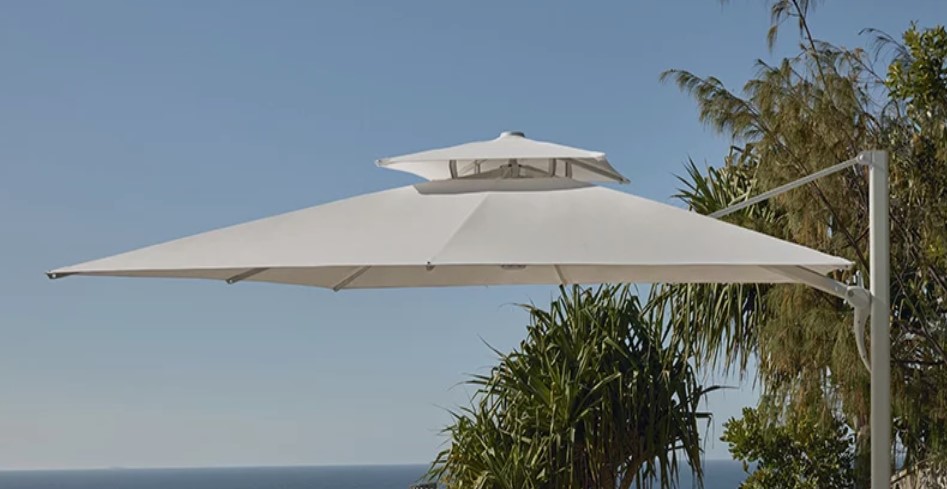
Anyone who has spent time shopping for an outdoor parasol Singapore market will tell you that the range of options available today is both impressive and, without proper guidance, genuinely overwhelming. The humble parasol has evolved considerably from its origins as a simple fabric shade device. What you encounter now is a diverse category of engineered outdoor products, each designed to address specific spatial requirements, aesthetic preferences, and the particular brutality of Singapore’s tropical climate. Choosing well requires understanding what distinguishes one product from another at a level deeper than price alone.
Why Singapore’s Climate Changes Everything
The conditions that outdoor shading products face in Singapore are not gentle. Ultraviolet radiation levels here are among the highest in the world due to the country’s proximity to the equator. Annual rainfall exceeds 2,400 millimetres, arriving with the kind of sudden, concentrated intensity that can overwhelm poorly designed structures within minutes. Add persistent humidity, salt-laden coastal air in many districts, and temperatures that regularly reach 33 degrees Celsius, and the picture that emerges is one where product durability is not a marketing claim but an operational necessity.
An outdoor parasol purchased without reference to these conditions will age quickly. Fabrics fade, frames corrode, and tilt mechanisms seize. Understanding why certain specifications matter in Singapore is the foundation of a sensible buying decision.
Sizes: Matching Coverage to Space
Parasol sizing follows a logic that is straightforward once articulated. The effective shade coverage of any parasol is approximately 50 to 60 percent of the canopy’s total diameter, accounting for the angle of the sun at various times of day. In Singapore, where the sun tracks across a near-overhead path year-round, canopy geometry delivers reasonably efficient shade even at its most challenging.
Common size categories and their practical applications:
Compact parasols (2 to 2.5 metres diameter)
Suited to residential balconies, single outdoor dining tables, and small terrace areas. Lightweight enough to be repositioned easily and storable without dedicated infrastructure
Mid-range parasols (2.7 to 3.2 metres diameter)
The most versatile category for residential use, covering standard four-person outdoor dining sets comfortably and providing meaningful shade for lounge seating arrangements
Large commercial parasols (3.5 metres and above)
Designed for restaurant terraces, hotel pool decks, and event spaces where consistent coverage across multiple seating positions is required. These typically require in-ground bases or weighted ballast systems rated to withstand Singapore’s afternoon wind gusts
For HDB void decks and condominium communal areas governed by Management Corporation Strata Title requirements, size restrictions may apply. Checking applicable guidelines before purchasing is always advisable.
Materials: What Holds Up and What Does Not
The material specification of a Singapore outdoor parasol determines, more than any other factor, how long it will function reliably under local conditions.
Canopy Fabrics
- Solution-dyed acrylic fabrics are the benchmark standard for outdoor parasol performance in tropical climates. Colour is embedded into the fibre during production rather than applied as a surface treatment, which means fade resistance is structural rather than cosmetic. Quality solution-dyed acrylic canopies can maintain their appearance for eight to twelve years under Singapore conditions
- Polyester fabrics with UV coatings represent a more affordable alternative but should be understood as a compromise. Surface coatings degrade with UV exposure over time, and colour fading becomes noticeable within three to five years in direct sun
- Olefin fabrics offer good UV resistance and are particularly effective at resisting mould and mildew, which in Singapore’s humidity is a genuine and persistent threat to any outdoor textile
Frame Materials
- Powder-coated aluminium is the dominant choice for good reason. It is lightweight, structurally capable, and when the coating remains intact, highly resistant to the corrosion that Singapore’s humidity accelerates aggressively in unprotected metals
- Stainless steel grades 304 and 316 offer superior corrosion resistance for coastal properties within two kilometres of the sea, where salt-laden air degrades standard powder coatings more rapidly
- Fibreglass ribs used in some premium parasol designs offer excellent flex resistance during wind loading, reducing the structural fatigue that affects aluminium ribs over extended service
Bases and Ballast
A parasol without a properly specified base is a safety liability. In Singapore, where afternoon squalls can arrive with wind gusts exceeding 50 kilometres per hour, base weight matters:
- For 2 to 2.5 metre parasols: a minimum base weight of 25 kilograms is generally recommended
- For 3 metre and above: 50 kilograms or more, with in-ground anchoring preferred for permanent commercial installations
Buying Tips for Singapore Conditions
Applying a few consistent principles will materially improve the outcome of any outdoor parasol Singapore purchase:
- Prioritise canopy UPF rating. A minimum of UPF 50 plus blocks over 98 percent of UV radiation, which is the appropriate specification for Singapore’s equatorial sun intensity
- Inspect the tilt mechanism before purchasing. Cantilever and offset parasols with aluminium tilt joints should move smoothly without binding, as humidity causes inferior mechanisms to seize within a single wet season
- Ask specifically about mould-resistant fabric treatments. In Singapore’s humidity, untreated fabrics stored damp between uses will develop mildew within weeks
- Verify that the base system is sold as a complete package with the parasol, as undersized bases are a persistent cause of tip-over incidents and warranty disputes
Conclusion
The logic of outdoor shade in Singapore is ultimately straightforward: the climate is demanding, the sun is unrelenting, and the rain arrives without adequate notice. Products that acknowledge these realities through proper material specification and thoughtful engineering will serve you reliably for years. Those that do not will remind you of the compromise regularly. Apply the principles outlined here with the rigour the conditions demand, and choosing the right outdoor parasol singapore becomes a genuinely manageable decision.